the farm
Real land. Real goats. Real people.
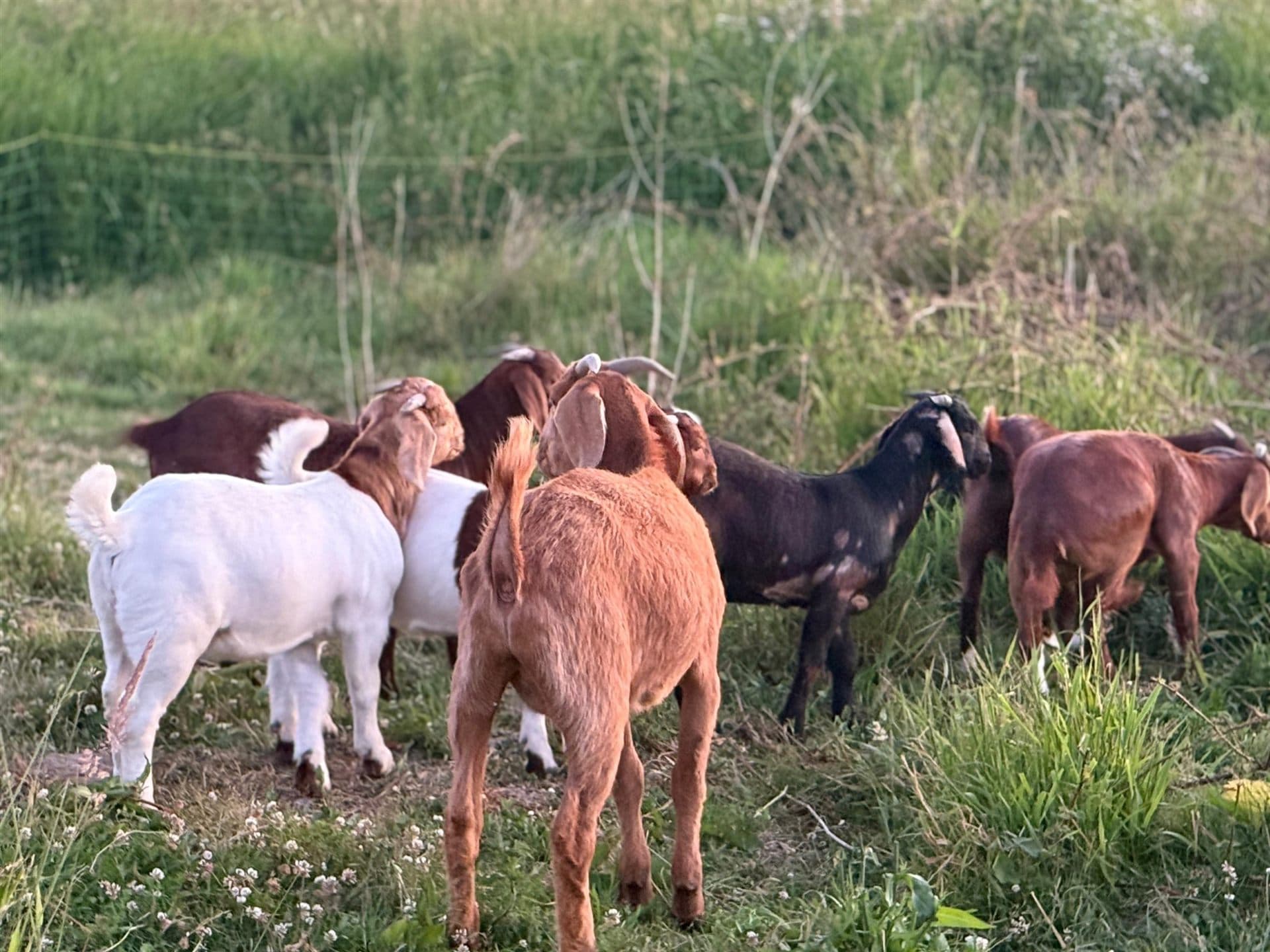
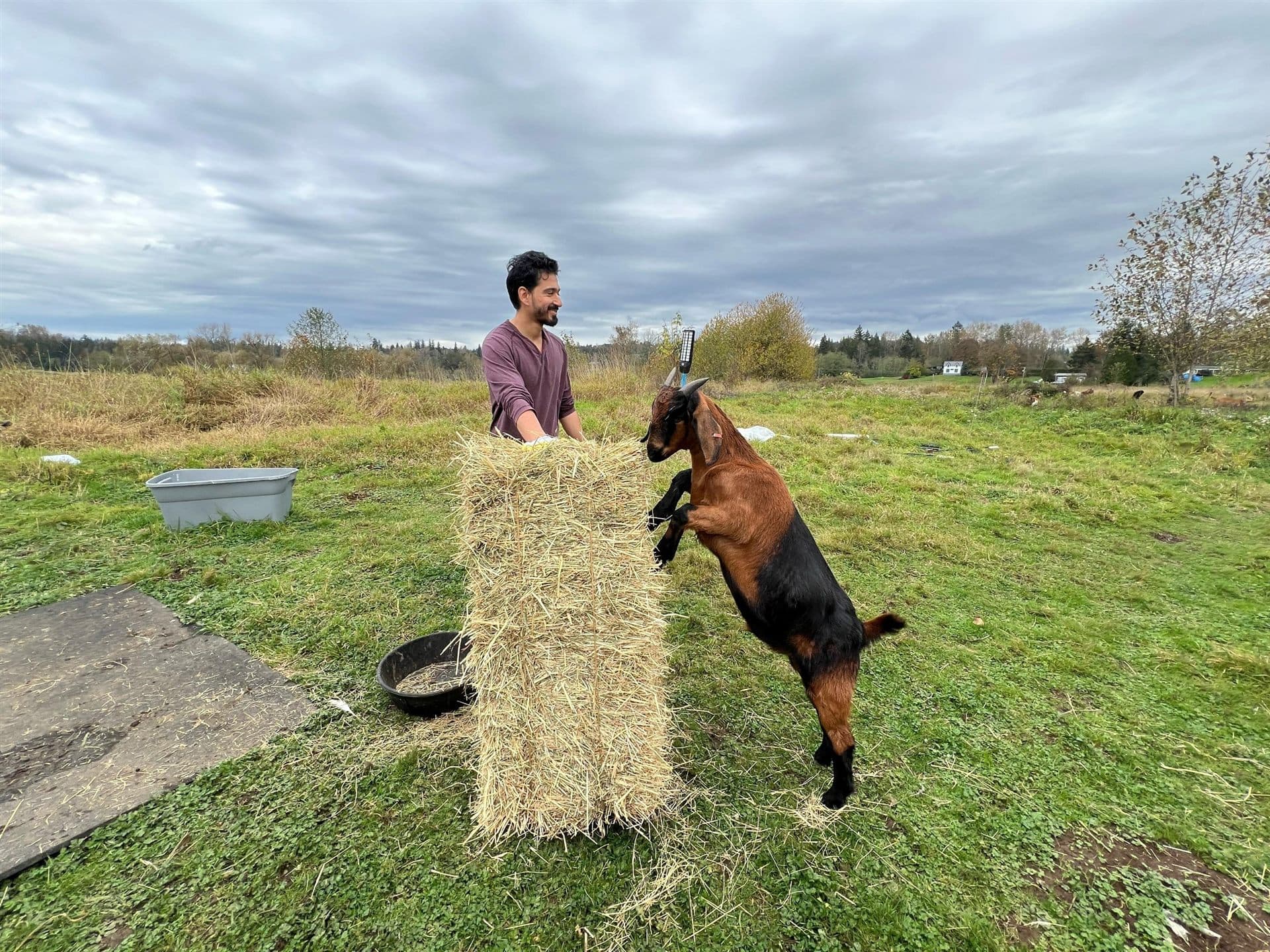
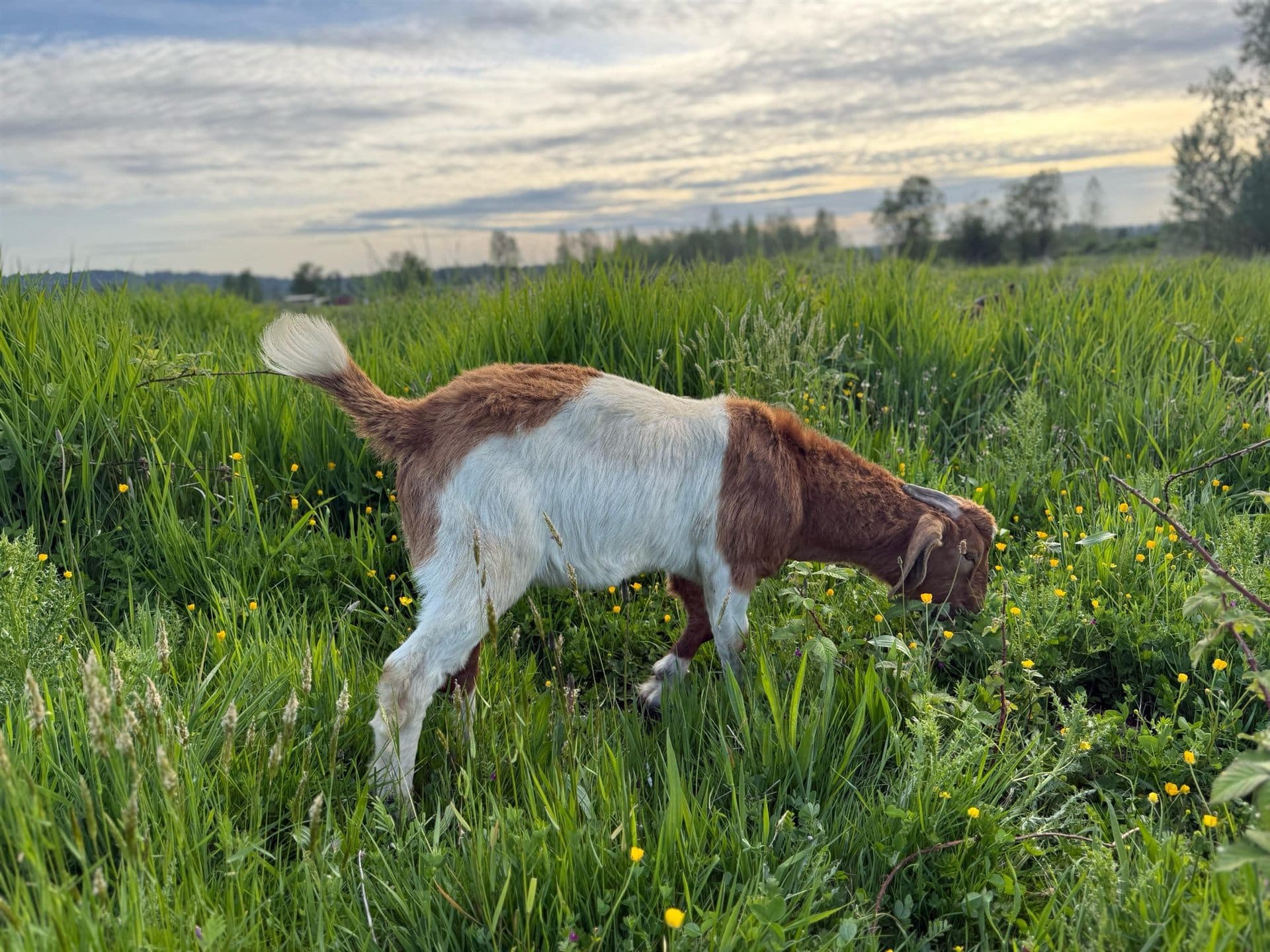
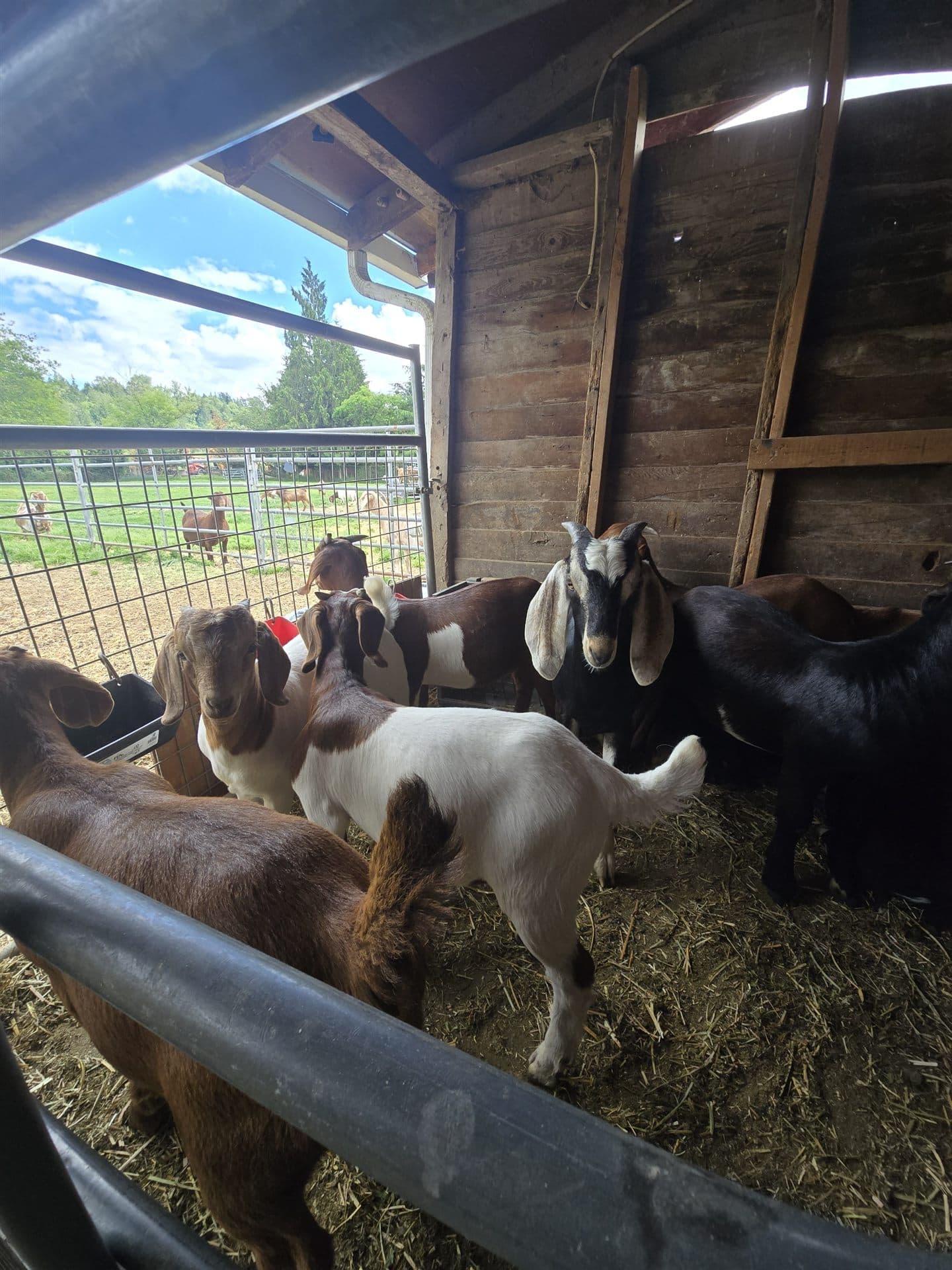
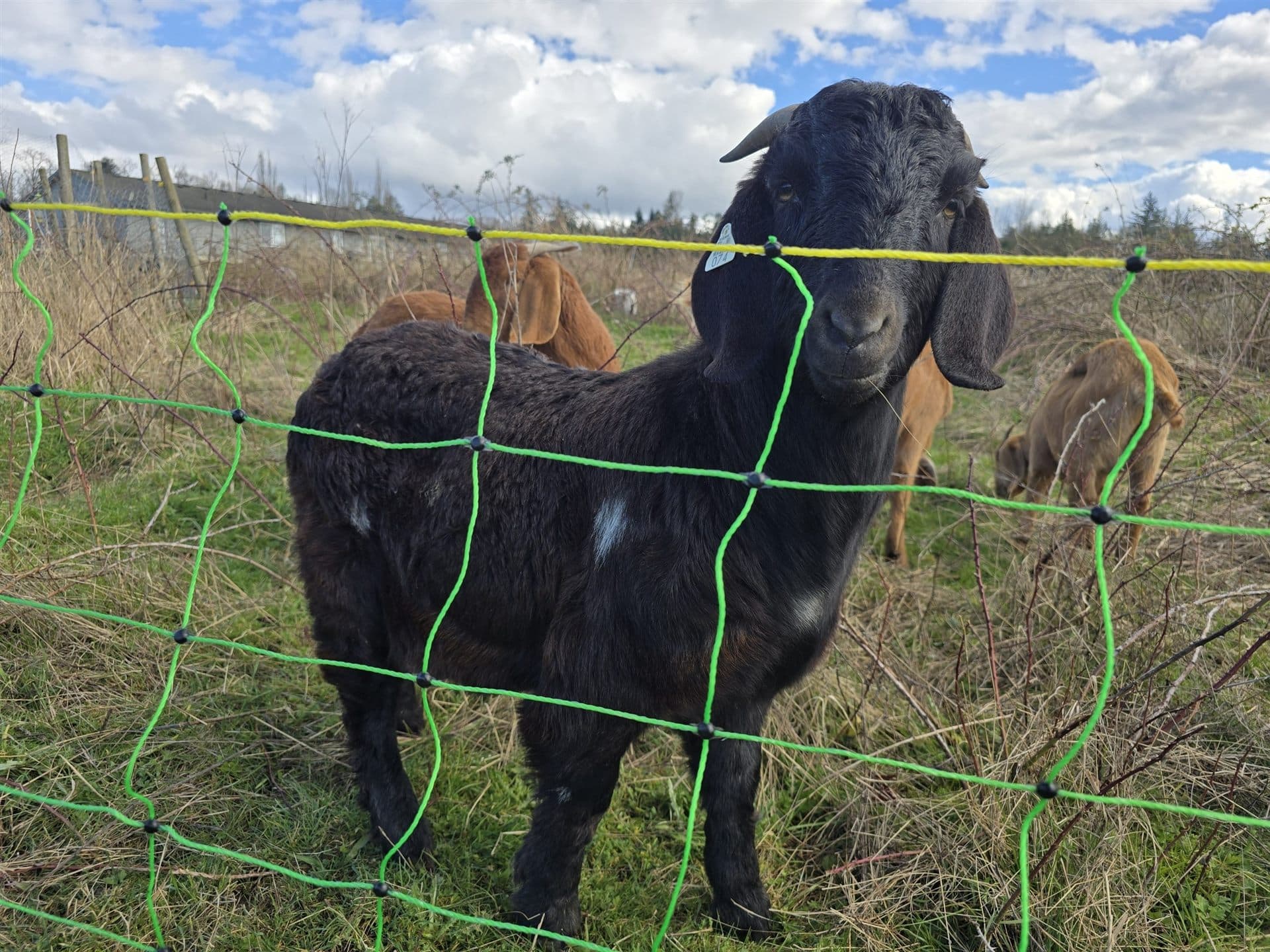
No stock photos. No staged shots. This is the 16-acre Snohomish farm where your goat will actually live for a year, and where your family is welcome to visit.
our story
This farm didn't begin as a business plan.
It began during a hard season of Usama's life. Too many late nights, too much time wondering what direction things were going, and a need for something real. Something grounding, honest, and outside the routine he had fallen into.
A friend pushed him toward goats before he felt ready. That friend was Jalal, who grew up in Pakistan, where Eid al-Adha meant going to choose the animal, caring for it, knowing it. After moving to the United States, Eid started to feel like a transaction: send money somewhere, get a confirmation back. The sacrifice was still made. The meaning had gone missing.
So they took a first, imperfect step. Fencing, feeding, caring, learning, failing, trying again. The work pulled Usama out of autopilot and back into something older and steadier: land, animals, responsibility, faith. Over time the farm became more than a project. It became a place of discipline, healing, and purpose.
“Sometimes the thing you did not want to do is exactly the thing Allah uses to bring you back to life.”
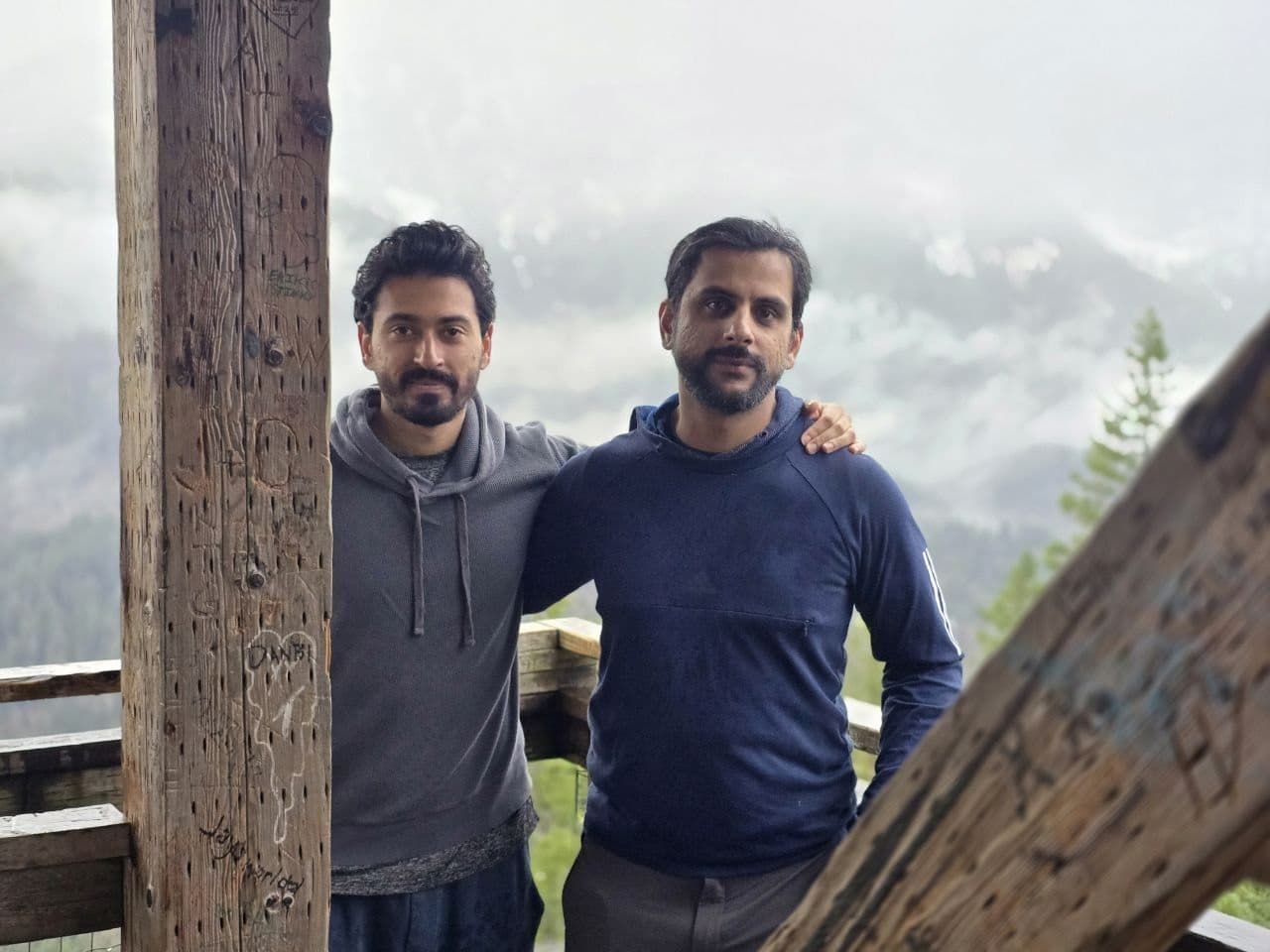
They raised goats for their own families' Qurbani first, then for close friends. Then came the realization that so many families are on the same boat, missing the Eid they grew up with. That is the farm on this page: honest work, healthy animals, humility, and faith. Still growing, still learning.
How your goat lives
Your goat spends its entire life, from the day after one Eid al-Adha to the next, on open Snohomish pasture. Two people do the daily work: twice-daily feeding, health monitoring, and the weekly photos and videos you'll come to look forward to every Friday.
We're a small farm, and we'll tell you honestly when we're still learning. What we won't do is cut corners on how the animals are raised.
Our welfare standards
- Pasture-raised on 16 acres, never confined to a feedlot
- No hormones or growth promoters, ever
- Antibiotics only if medically required, and documented when they are
- Rotational grazing, supplemented with quality hay and grain finishing
- Free access to clean water and shelter
- Humane handling, certified
building in public
We're building this in the open.
A new farm asking for your trust should show its work. Here is exactly where we are: what's finished, what's still in motion, and what happens between now and Eid. This list stays honest: things move to "done" when they're done, not before.
- The years beforedone
Qurbani for our own families first
Before this was a venture, we raised goats for our own Eid and for close friends. We learned fencing, feeding, and herd health the hard way.
- May 2026done
The Eid-to-Eid cycle begins
The day after Eid al-Adha 2026, this year's herd started its year on the Snohomish pasture: day 1 of 354.
- July 2026done
Doors open
The website is live, the WhatsApp line is on, and 13 goats from this year's herd are available to reserve for Eid al-Adha 2027, with the pay-as-your-goat-grows monthly plan.
- In progressin progress
Independent religious review
We are seeking review from a qualified independent religious scholar. No adviser, organizational affiliation, or endorsement will be represented unless it is signed and authorized for publication.
- In progressin progress
Processor agreement, in writing
The USDA-inspected, halal-compliant facility for each cohort will be named only after a written agreement is signed and publication is authorized.
- As families joinahead
Weekly updates begin
Every reserved goat gets a name, and its family starts receiving Friday photo-and-video updates, monthly video calls, and farm visit invitations for Washington families.
- April 2027ahead
Payments complete, cuts chosen
Every payment plan finishes a month before Eid, and families select their cut preferences.
- May 2027ahead
Eid Qurbani, then frozen fulfillment
The Qurbani is performed per Sunnah at the confirmed USDA-inspected facility. After full freezing and processor release, tracked fulfillment begins for serviceable continental U.S. destinations.
Reserving takes one message
Tell us your name and city on WhatsApp. We answer everything, confirm your package and serviceable ZIP, and provide the written reservation agreement. Only then do we send the secure $500 deposit link. After that it's $300/month as your goat grows, with monthly payments fully refundable up to 60 days before Eid. 13 goats in this year's herd are still available.